|
| Pawpaw mainstage, 2018 |
Today was ablaze with a searing blue sky and perfect wisps of cloud. A fabulous - and hot, sticky, messy - curtain call of summer. It was the annual Pawpaw Festival here, in pawpaw country, and we just about didn't go. E and I dipped our toes in - our hot, sticky toes - for a few glimpses of friends and a plate of jerk chicken and plantains, but were happy to hop back in the car for home.
 |
| The artwork around the festival was gorgeous! |
It made me think though of pawpaw festivals years ago, when she would happily dance with strangers during the called contra dances, or a little later, when she was independent enough to roam without me stuck to her side, but dependent enough that I tried to stay within view for the inevitable big drink of water or snack, avoiding a dramatic collapse. Some years we'd camp and the kids would wander in a tangled gaggle of happy awkwardness. It was a perfect place for young people to roam in safety, and for us parents to get a little break, confident that our community was also keeping a loose eye on our kids. Today I felt like we'd outgrown the fun of it, but I can also recognize that in a different year, with different weather (but oh please the same jerk chicken and plantains!!) and a different life rhythm, it might feel just right again. And friends of all ages are having young ones, and so there will be a new focus and delight in that gathering again...
 |
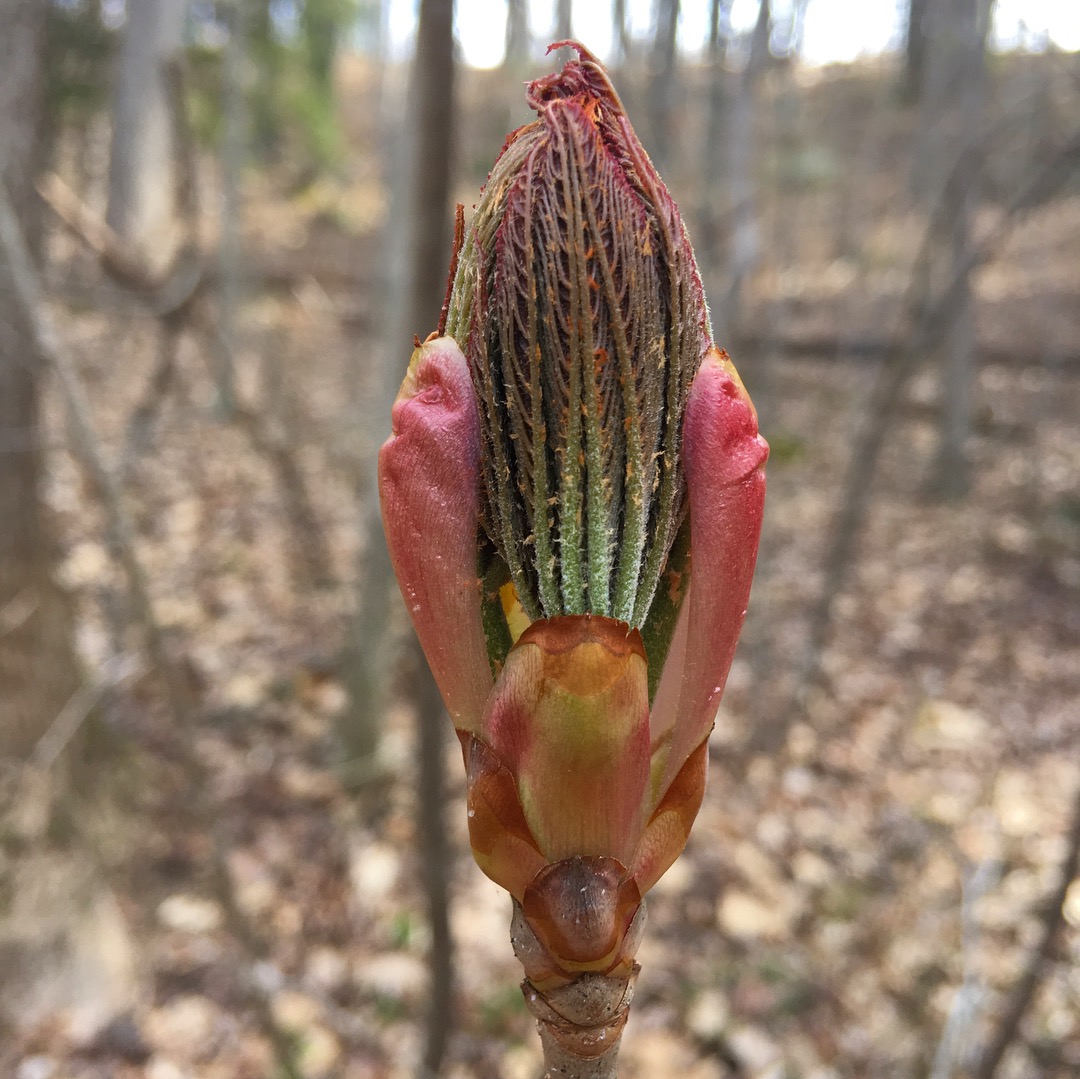
| neighborhood pawpaws |
The girls roll their eyes when I hashtag something,
so Ani thought it would be funny to edit this photo
of some of our very authentic physics tools.
September feels like a new year to me. Thought I do not feel a spaciousness with lots of holes in my schedule that are begging me to write on the blog!, I think this page might be helpful to me, in gaining some perspective on what happens here in our days. The boxes are really off-kilter, and I'm good with that until I start trying to put things in the boxes, and then it all falls to pieces, and my sanity and positivity with it.
So. This week was about:
Voter registration - Dan and I worked with our local Indivisible chapter to register new voters (yes, I find this thrilling. I LOVE to vote!) and update student addresses at our wonderful farmer's market. Very satisfying!!
Starting the new season of Calliope - I am the new director of a 25-year old feminist choir in town. It is an honor and a total pleasure, and a lot of work, so it was really fun to get to the singing part on Monday! We started our season learning "Refugee" by Moira Smiley, whose workshop I attended this summer as a part of Sister Singers Network Festival.
Yoga - Dan and I have committed to making as many Sunday yoga classes as we can together. It's crowded and I have holes in my pants that I get to display with every downward-facing dog, but it's the best yoga class I've taken in years. Just when I think I'm going to have to lie down and pretend like I'm really into child's pose to deepen my practice, she shifts us into something new and I am able to carry on! Eliza is taking a weekly yoga class with a former dance teacher who she loves. She also went to try out a women's jiu jitsu class and was a part of setting a record for the studio of 20 women on the mat! She LOVED it and still is having a hard time walking up the stairs.
 |
| photo from Relson-Gracie Jiu-Jitsu Academy |
For Ani the week's highlights were a frustrating morning spent trying to trouble-shoot a remote snap circuit car; making handmade books with a friend during a sleepover; reading, reading, reading (she is trying a new series called "Alcatraz and the Evil Librarians", reading a biography of Isaac Newton, partially aloud to me if I'm anywhere in the vicinity, and has just started Sherlock Holmes, which is slow-going and challenging and she is totally up for it! Her comment was that it might be helpful to read with "maybe seven dictionaries" nearby, looking up words like "ascetic", "commonplace book" and "dour").
 |
| Lite brite!! |
The biggest highlight was probably when we were watching our little toddler buddy for a second day this week. Ani had already taken care of potty times and diaper changes herself, and then I asked if P wanted Ani to sing her to sleep? She did, of course, and so Ani lay down with her and sang her to sleep! It was heart-squeezingly adorable to listen to through the monitor.
 |
| sleepover popovers |
Tuesday there was a sleepover at our house. I invited the girls ahead of time to come to the Interfaith Peace Walk that evening; the Justice Choir had been asked to lead a couple of songs in front of the Islamic Center on campus, after a walk through town. Dan's rehearsal was cancelled, so suddenly we were all there, walking, visiting with neighbors, holding candles, and singing "we're gonna keep on moving forward..." I was grateful to be all together, to be a part of our community who makes this effort every year to pull us all together in the spirit of peace and justice.
Last week we took a trip to the Kennedy Art Museum on campus, to see an exhibit of Haitian art.
My agenda was to not have an agenda;) We just wandered and observed and thought and talked and wandered. Ani took the photos above, with my phone, and I loved seeing what drew her attention. This week I wanted to see an exhibit on campus, called
What Were You Wearing? , which addressed sexual assault, rape culture, and victim-blaming.
I knew Eliza would be interested, but while the subject is something Ani will talk about, she was not interested in going through the gallery show. She walked there with us, though, and enjoyed riding the escalators and hanging out, reading, while in the bustle of the student center. The exhibit was powerful and alarming, simple in its execution (outfits hanging on the wall, fitting the descriptions written out on plaques, of clothing and the ensuing assault) and brutal in its simplicity.
 |
| Ani's view of sky |
 |
| photographing the photographer |
We have our daily goals of reading for an hour (for Ani, that means reading something out of her "normal" repertoire; the request is some non-fiction a few times a week), language study, math games/puzzles, music study - and we are trying to anchor our week with a couple of activities together. Right now we are looking at Newton's laws of motion, through experiments, reading, and video. Eliza is reading Angie Thomas's
"The Hate U Give" and listened to a podcast on race with
Ijeoma Oluo, who wrote "
So You Want To Talk About Race". We also have various conversations on racism, segregation, taking a knee, rape culture, conversion therapy...sometimes initiated by me, and sometimes by a thought train one of them is riding. Ani was sitting and being thoughtful the other day, thinking about "
Hidden Figures", which is one of her favorite books and movies right now. It prompted her to talk about segregation, imagining a library that was not open to absolutely everyone, and wondering where things stand now (a conversation topic that comes round on a regular basis). I try to stop what I am doing and sink into where she is when this happens, because she is a deep thinker and I want to go there with her when she is ready!
What else...Eliza has a weekly game night she goes to with young adults who all homeschooled in some fashion, and she had a movie date with her best friend in Maine on Friday, watching and chatting simultaneously. It reminded me of watching Invasion of the Body Snatchers on the TV while sitting on the phone with my friend, Tammy Bridges, who lived kitty-corner from me in fifth grade.
And then there was this encounter with a bobcat baby named Luke, at Wild Ohio Ranch...
 |
| SWOON!!!! |